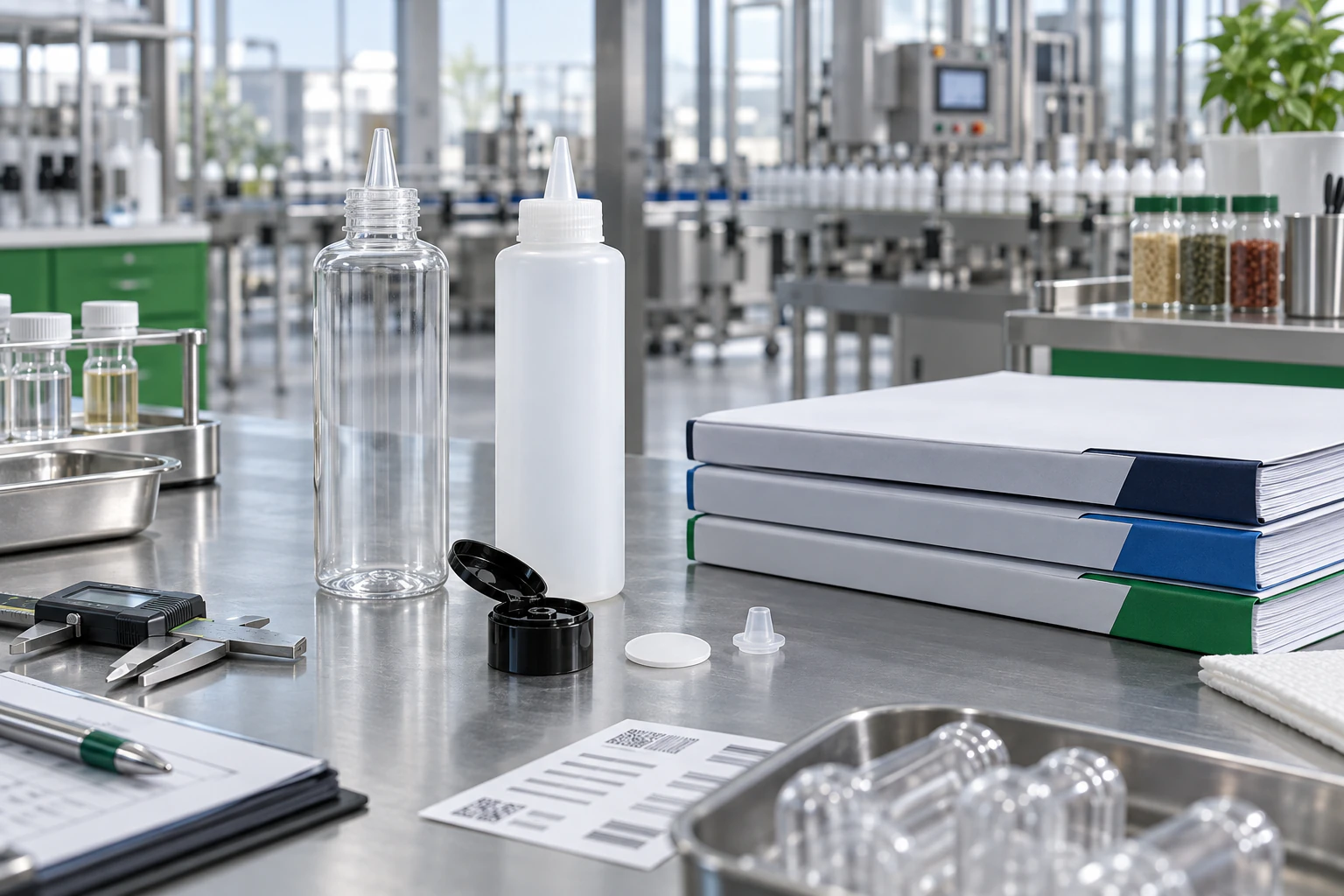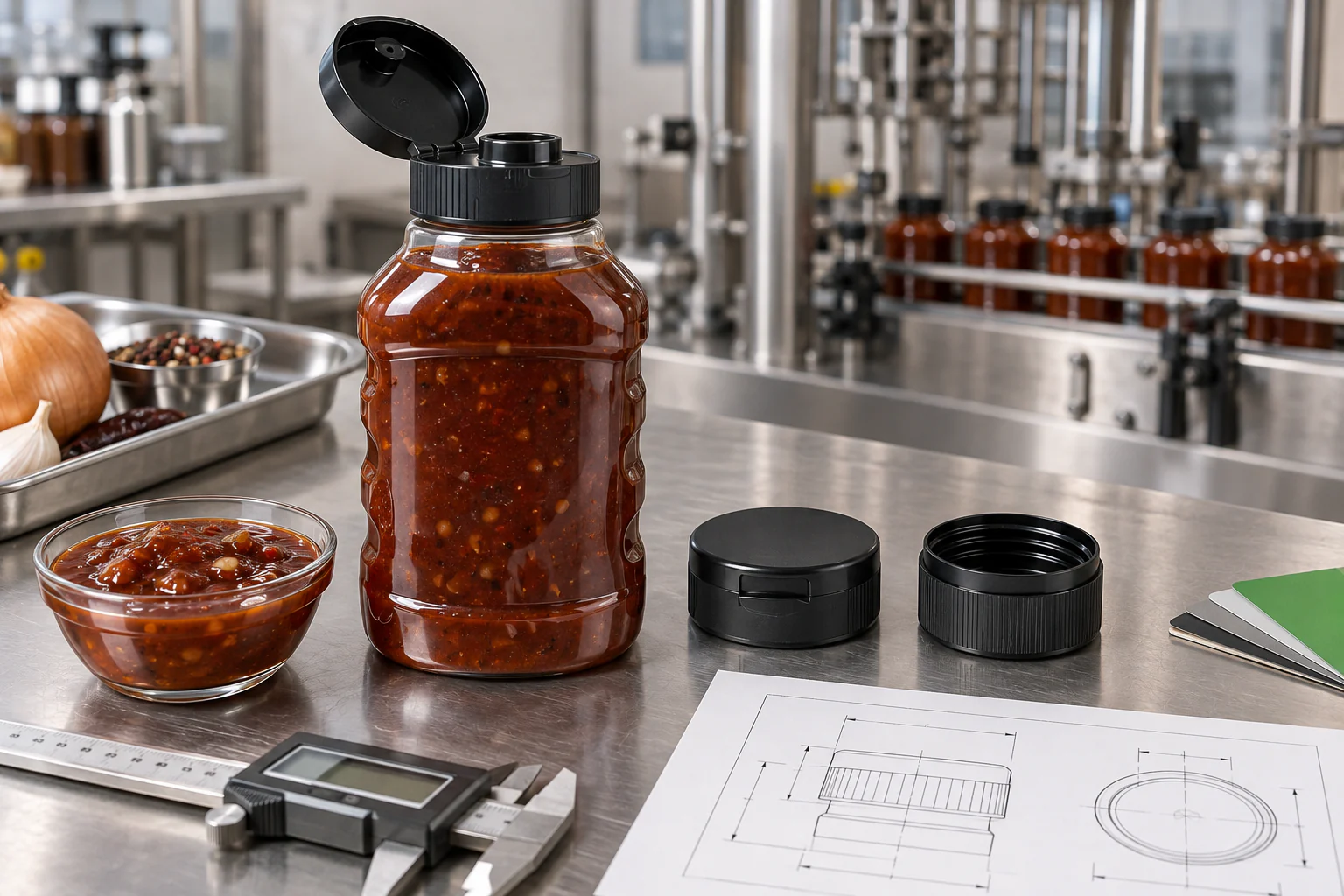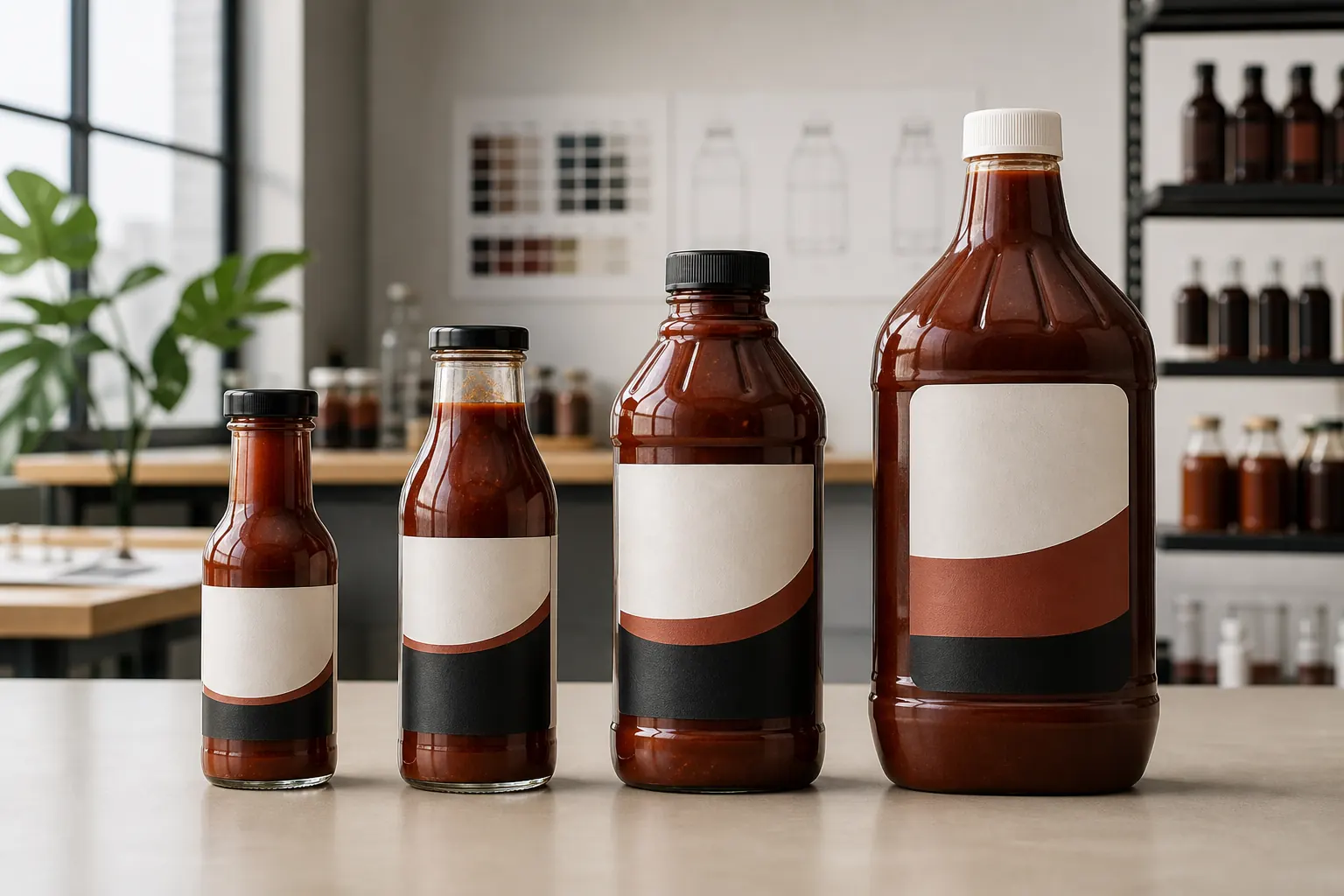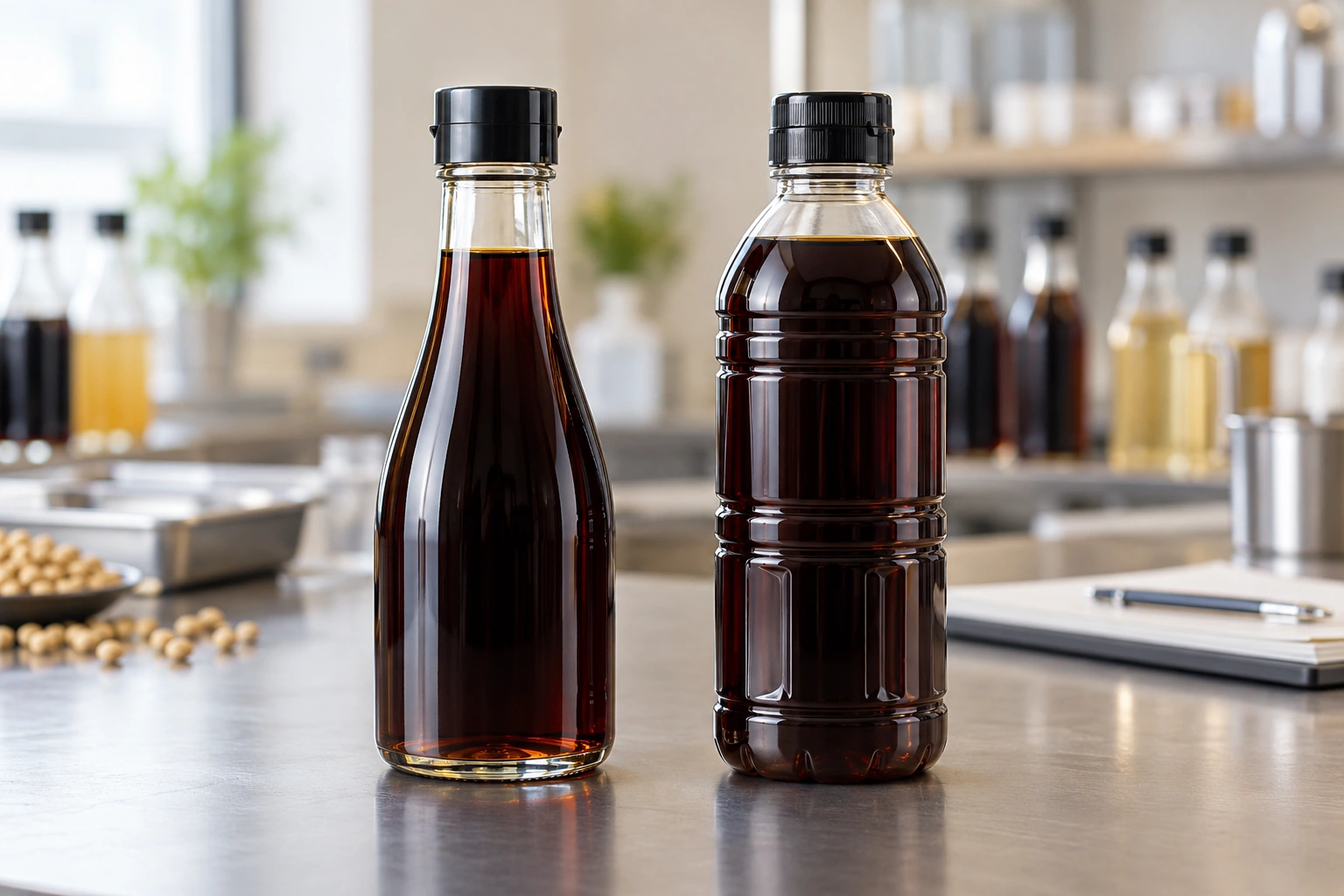
Hot Sauce Bottle Sizes from 5 oz Woozy Bottles to Bulk Condiment Bottles
A practical guide to hot sauce bottle sizes, 5 oz woozy bottle dimensions, bulk condiment bottles, cap fit, filling behavior, carton packing and PCR feasibility.
Read Article
Get a QuoteGracepack Packaging Knowledge Center
Focused guidance for international packaging teams evaluating sauce, condiment and food-grade packaging routes.

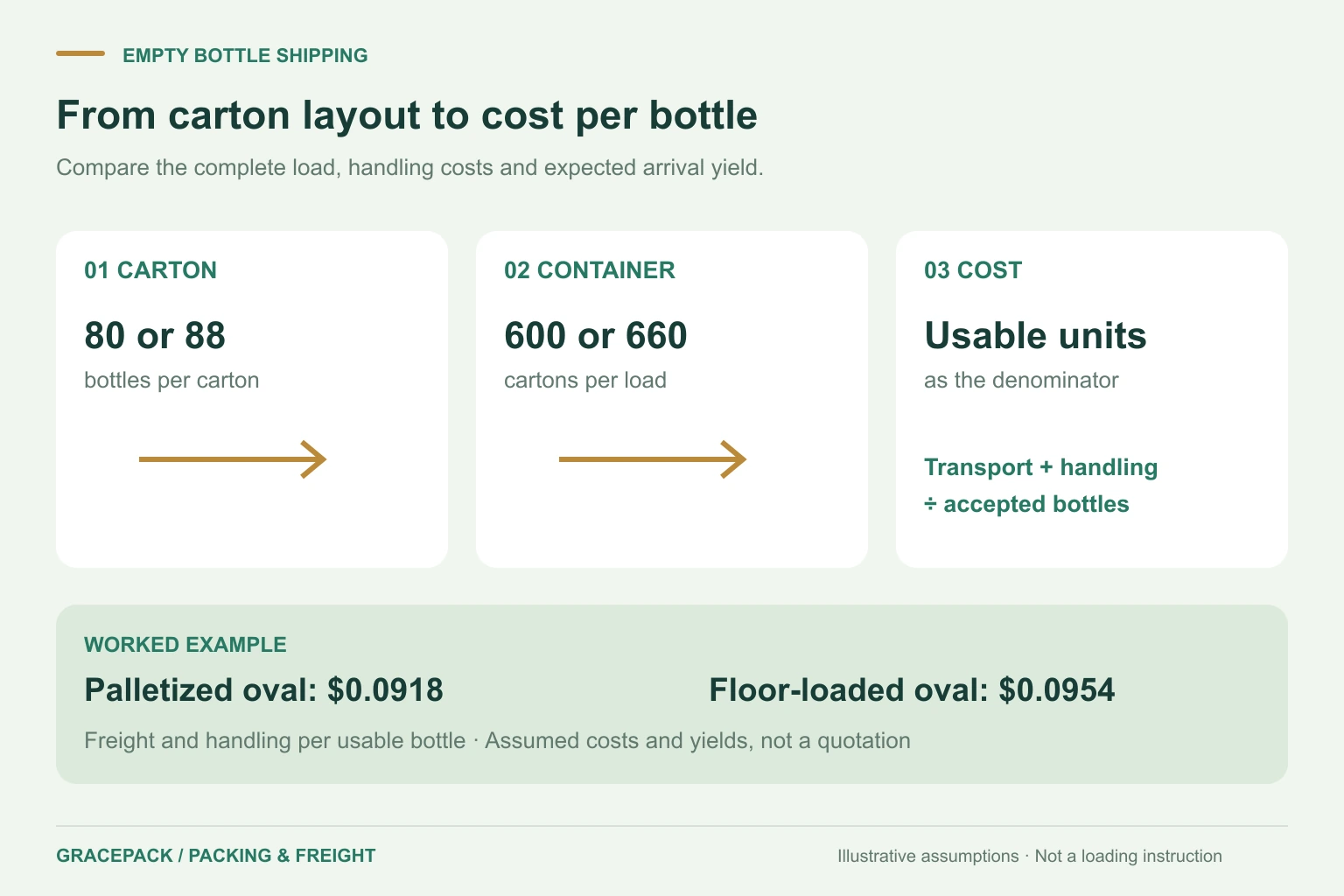
A practical guide to hot sauce bottle sizes, 5 oz woozy bottle dimensions, bulk condiment bottles, cap fit, filling behavior, carton packing and PCR feasibility.
Read Article
Glass vs plastic hot sauce bottles is a material, filling, freight and brand-positioning decision. This guide compares both routes before sample testing.
Read Article
Choosing the right ketchup bottle size for foodservice depends on service style, portion control, refill labor, sanitation, waste and the mechanical durability of the bottle under repeated use.
Read Article
Custom easy-squeeze ketchup bottles can improve shelf recognition when bottle color, cap color, embossing, grip texture and label panels are engineered as one retail package instead of separate decoration decisions.
Read Article
Easy-squeeze ketchup bottles for thick condiments depend on more than a soft plastic body. Viscosity adaptation requires bottle rebound, silicone valve behavior, dispensing orifice size, air return, cap-down stability and filled-sample testing to work as one packaging system.
Read Article
Mini ketchup bottles for airline catering, camping kits and travel condiment packs face a problem that ordinary retail packaging rarely sees: pressure changes. This guide explains how capacity, headspace, vented induction seals, self-locking caps and factory pressure simulation help prevent swelling, leakage and opening splash.
Read Article
High-pace delivery kitchens need ketchup dispensing systems that refill quickly, dose consistently, resist squeeze fatigue, clean fast and survive repeated rush-hour handling. This guide explains how to specify bulk ketchup containers, wide-mouth refill formats and portion-control pump routes before sampling.
Read Article
Squeezable plastic ketchup bottles are winning more modern retail, foodservice and ecommerce programs because they reduce breakage risk, shipping weight and user friction. Glass ketchup bottles still matter for premium, retro and restaurant positioning, but the total cost decision has to include filling speed, carton protection, cap matching, pallet weight and sample validation.
Read Article
In-mold labeling and shrink sleeves can both create a retail-ready private-label package, but they solve different problems. The right route depends on bottle shape, resin, artwork coverage, durability, MOQ, recycling goals, production timing and how the package will be handled after filling.
Read Article
Factory-direct condiment packaging can reduce unit cost and unlock custom bottle control, but the real decision belongs in landed cost, cash timing, production reliability, freight exposure and payment-risk planning.
Read Article
Hot-fill vs cold-fill sauce packaging is not only a filling-line decision. The process decides bottle material, thermal resistance, PET crystallization, neck finish stability, vacuum panel design, cap timing and the test plan needed before a sauce brand approves plastic bottles for production.
Read Article
Commercial squeeze sauce bottle design is a balance between soft hand feel and controlled rebound. Resin density, wall thickness distribution, cap opening force and sauce viscosity decide whether the bottle dispenses cleanly, recovers after repeated use and avoids permanent paneling.
Read Article