
To verify a Chinese plastic bottle factory remotely, connect four evidence layers: the legal entity, the physical site, the demonstrated manufacturing process and the specific product-and-batch records. A live video call is useful only when the buyer controls the route, asks unscripted questions and reconciles what is shown with documents, samples and commercial records.
Remote verification can screen a supplier and support a risk-based approval, but it cannot prove every condition outside the camera view. High-risk food-contact programs, new tooling, unexplained subcontracting, repeated quality failures or a material identity mismatch should trigger an independent on-site audit, pre-shipment inspection or laboratory check.
| Evidence layer | What to verify remotely | What it can support | What it cannot prove alone |
|---|---|---|---|
| Legal identity | Chinese legal name, unified social credit code, status, address and stated business activities | The entity exists and the submitted license can be cross-checked | That every quoted product is made at the declared site |
| Physical site | Exterior sign, entrance, production areas and an uninterrupted route between them | The representative has access to the shown facility | Ownership, exclusive control or full-time use of every area |
| Process capability | Relevant machines, molds, material flow, inspection stations and current records | The site can demonstrate a plausible route for the proposed package | Sustained capacity, yield or repeatability across future orders |
| Order evidence | Drawing revision, approved sample, material or lot identity, inspection record and packing route | The proposed product can be tied to controlled references | Shipment conformity without sampling or inspection |
Define the Remote Audit Scope Before the Call
A useful remote factory audit begins with a written scope. Identify the bottle family, material, capacity, neck finish, closure, intended food, filling temperature, destination market, annual volume, new-tool requirement and the decision the audit must support. This prevents a polished tour of an unrelated workshop from being treated as evidence for the quoted package.
Ask the supplier to name the legal entity, manufacturing site, sales or export entity, invoice issuer and proposed bank beneficiary before the call. These roles may legitimately differ, especially when an export company or payment agent is used, but the relationship must be disclosed and documented. A mismatch is an investigation point; it is not automatically proof of fraud or proof that the supplier is a trader.
Set the video rules in advance: date and time, attendees, required areas, approximate duration, whether recording is permitted, and what customer-confidential material must be shielded. The supplier should not be asked to expose another customer's drawings, mold labels or production data. Capability can be demonstrated through asset tags, controlled examples and redacted records.
| Scope item | Buyer input | Remote evidence request |
|---|---|---|
| Bottle process | PET stretch-blow, extrusion-blow, injection-molded bottle or another route | Show the machines and intermediate parts that match that route |
| Closure process | Cap, liner, reducer or silicone valve construction | Identify which components are made on site and which are controlled sources |
| Quality risk | Critical dimensions, leakage, appearance, fill or line-fit concerns | Demonstrate the relevant gauge, method, record and retained reference |
| Commercial risk | Order volume, delivery window, tooling ownership and payment route | Show the planned production resource and reconcile all contracting entities |
Cross-Check the Legal Entity and Certificate Holder
Request a clear copy of the Chinese business license and record the exact Chinese legal name and 18-character Unified Social Credit Identifier. Search the National Enterprise Credit Information Publicity System rather than relying on an English trading name. Compare registration status, registered address and public business information with the quotation, website and factory sign. Search results can require Chinese-language input and should be saved with the date of review.
Read the registered business scope as one data point. Manufacturing-related wording that aligns with plastic products supports the file; sales-only wording or a remote office address requires clarification. Chinese registration wording and operating arrangements vary, so the scope should be reconciled with the site evidence and contracts rather than used as a single pass-or-fail test.
For management-system certificates, compare the certified organization, site address, scope, certificate number, issuer and current status. CNCA public certification services and the certification body's own validity search can help check certificate information. A valid ISO 22000 or ISO 9001 certificate supports the stated management-system scope; it does not certify a particular bottle, resin, cap or shipment.
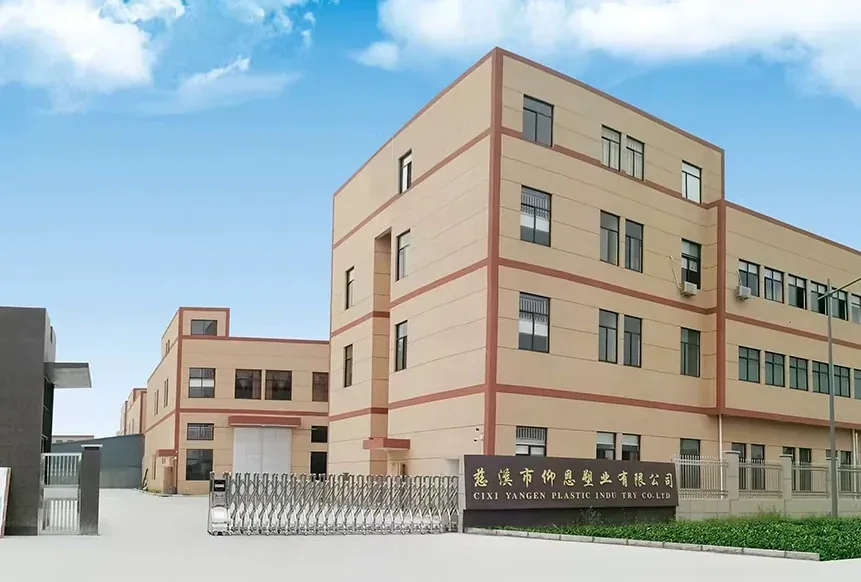
Run a Controlled, Continuous Live-Video Walkthrough
Begin outside the declared site and ask the host to show the building, entrance and company sign before walking inside. Keep the route continuous when network and safety conditions permit. If the signal drops, record the time and restart from the last verifiable location. A disconnection is not automatically a failure, but repeated gaps at the same critical area need an explanation or an independent visit.
The buyer should direct part of the route. Use neutral, unscripted requests such as showing a different aisle, returning to a machine just passed, or selecting a container from a specified position. Ask the host to show a mutually agreed real-time marker, such as the meeting screen or a dated card, alongside the area being verified. These controls reduce the value of prerecorded footage without turning the audit into an adversarial performance.
Record observations in an evidence log: time, area, request, response, screenshot or note reference, unresolved question and owner. Obtain permission before recording or capturing images, and agree how confidential material will be stored. A remote audit should protect supplier and customer data while still preserving enough evidence for the approval decision.
- Exterior and entrance: legal name or site identifier, address clues and an uninterrupted path indoors.
- Material area: resin labels or controlled identifiers, quarantine status and lot segregation without exposing unrelated customer data.
- Production: machine asset identification, current job information, mold or tooling reference and actual material flow.
- Inspection: gauges, work instructions, measurement demonstration, calibration status and current record.
- Packing and warehouse: carton identification, finished-lot status, hold or release marking and shipment segregation.
Match the Machinery to the Bottle and Closure Process
Plastic bottle manufacturing leaves a process fingerprint. A typical PET route may include preform sourcing or injection molding, reheating and stretch blow molding. HDPE and LDPE squeeze bottles commonly use extrusion blow molding. Injection molding is normally used for caps, closures, preforms and other precision components. The audit should follow the proposed product through the actual route rather than collecting a general machine count.
Ask the host to show the machine identification plate or internal asset tag, mold reference, active control screen and an intermediate or finished part from the current run. Then reconcile the machine type and cavity arrangement with the quoted bottle. A machine plate shows that equipment is present; it does not establish demonstrated output, scheduled availability or first-pass yield.
Capacity evidence should combine a reasonable cycle or output record, scheduled operating time, cavity availability, normal downtime, changeover requirements and accepted yield. If the supplier gives a daily capacity, ask for the assumptions behind it. Compare the explanation with the number of operating machines and the product route visible during the call.
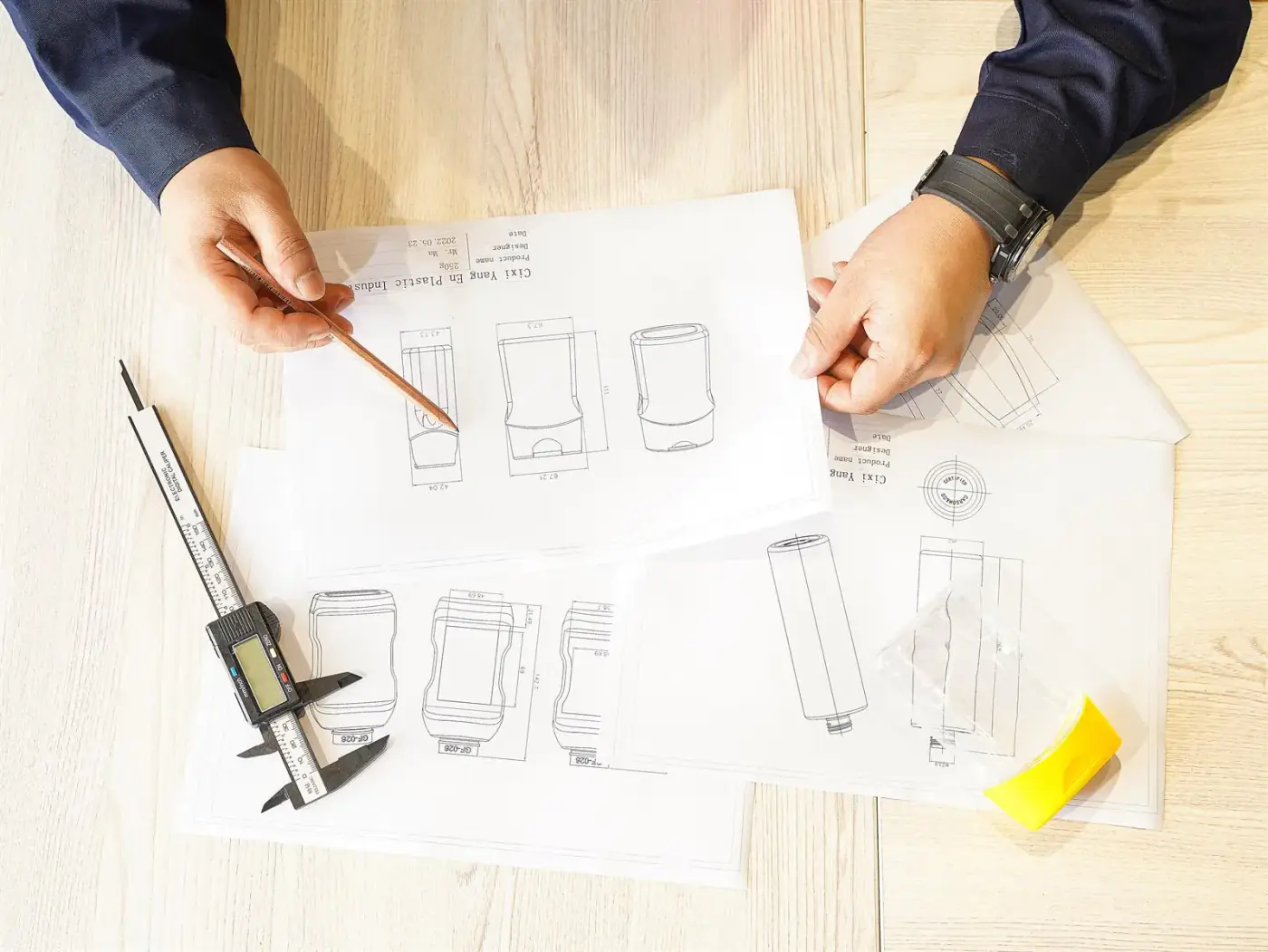
Use Random Requests Without Mistaking Them for Statistical Sampling
Unscripted sample requests test whether the supplier can access the production and records being discussed. Ask the host to select a bottle from a location you identify on screen, show its neck, parting line, base and cavity mark where applicable, and measure one agreed critical dimension. Repeat the request at another location or cavity if time allows.
This exercise is not an AQL inspection and should not be reported as one. A few items shown over video cannot represent a lot. The purpose is to confirm that the person, product, gauge and record exist in the same operational context. Formal lot acceptance still requires a defined sampling plan, defect classification, sample size and documented result.
For condiment bottles with caps, useful demonstrations may include bottle weight, brimful or fill-point capacity, neck dimensions, cap engagement, application or removal torque, liner identity and a simple leak setup. The method must be agreed before the call. A measurement has limited value when the gauge is unverified, the datum is unclear or the result is not tied to the drawing revision.
Build a Traceable Chain From Drawing to Sample to Batch
Remote factory verification becomes stronger when every evidence item uses the same identifiers. The quotation, approved drawing, bottle or closure code, mold or cavity reference, material specification, sample label, production lot, inspection record and carton mark should form a traceable chain. A beautiful video and a valid certificate do not compensate for a product file that changes names or revisions between departments.
Ask the supplier to retrieve a record during the live call rather than sending only a prepared PDF afterward. Check the document title, revision, product code, date, lot, measurement fields and approvals. Redacted records can protect unrelated customer information while still showing how the system works. Follow one field backward to its source and forward to the finished carton.
For clear condiment squeeze bottles, visual similarity is not enough. Resin grade or approved material route, bottle weight, neck finish, wall distribution, closure configuration and color or additive identity can affect performance. Food-contact evidence must be matched to the final component set and intended use; a factory certificate does not replace a product-specific compliance review.
| Control reference | Remote check | Common gap |
|---|---|---|
| Approved drawing | Product code, revision, dimensions and neck finish | Sales drawing differs from production or QC copy |
| Material record | Specified resin or controlled source, lot identity and release status | Generic food-grade statement with no component link |
| Production record | Date, machine, mold or cavity, operator and job quantity | Record cannot be connected to the shown line |
| Inspection record | Method, gauge, results, disposition and approver | Values have no tolerance or drawing revision |
| Finished carton | Item, lot, quantity and release or hold status | Carton marks do not preserve production traceability |
Reconcile the Commercial and Payment Chain
Remote supplier verification should reconcile who manufactures, who sells, who exports, who invoices and who receives payment. These functions can be split legitimately, but every handoff creates a control requirement. Ask for a written relationship between the factory and any export or trading entity, and make sure the purchase contract names the approved manufacturing site and the product specification.
Treat an unexplained beneficiary change, personal bank account, unrelated company name or last-minute payment instruction as a stop condition until independently verified through an established contact channel. Do not resolve a payment discrepancy only through the email or messaging account that requested the change. Finance controls belong outside the video call and should follow the buyer's fraud-prevention procedure.
Subcontracting also needs explicit treatment. A supplier may use controlled sources for liners, valves, labels or cartons; that is different from moving the bottle molding to an undisclosed site. Define which processes may be outsourced, how those sources are qualified and when written change notification is required.
Set Escalation Triggers Before Negotiations Begin
An escalation matrix prevents commercial urgency from weakening the audit decision. Assign each finding a required action before the call: clarification, additional remote evidence, independent site visit, pre-shipment inspection, sample or laboratory test, payment hold, or supplier rejection. One weak video moment may be explainable; several independent identity or control mismatches form a stronger risk signal.
Keep the decision evidence-based. Confidentiality, production safety and weak network coverage can legitimately limit filming. The test is whether the supplier offers another credible way to close the evidence gap, such as a redacted record, scheduled access, third-party inspection or controlled sample.
| Trigger | Why it matters | Required response |
|---|---|---|
| Legal name, site, invoice or beneficiary cannot be reconciled | The contracting and manufacturing chain is unclear | Pause payment and obtain independently verified entity documents |
| Critical production area cannot be shown and no alternative evidence is offered | The quoted capability remains unverified | Arrange an independent on-site audit before supplier approval |
| Machine route does not match the quoted bottle or closure | The product may be subcontracted or the proposal may be technically incomplete | Require a process map, responsible site and product-specific evidence |
| Certificate holder, address, scope or status conflicts with the supplier claim | The management-system claim may not cover the proposed operation | Verify with the issuer or public service and keep the claim out of approval until resolved |
| Records, samples and carton marks use inconsistent codes or revisions | The supplier cannot demonstrate product-level traceability | Complete a traceability exercise and corrective action before the order |
| Capacity claim has no route, schedule or accepted-yield basis | Delivery planning may rely on theoretical output | Request a documented capacity model and trial-order evidence |
Know When Remote Evidence Must Become an On-Site Audit or PSI
A remote factory audit and a pre-shipment inspection answer different questions. The remote audit evaluates identity, demonstrated capability and control systems before or during qualification. A pre-shipment inspection evaluates a defined finished lot against the purchase specification. Passing one does not replace the other.
Use an independent on-site audit when the buyer cannot resolve the manufacturing location, when new tooling or a high-value deposit is involved, when processes are spread across several sites, when food-contact or retailer requirements demand direct verification, or when the remote session reveals material control gaps. Use PSI when the first order, a changed product or a supplier with unstable history needs lot-level release evidence.
The inspector's scope should be product-specific. For private-label BBQ sauce bottles, it may include item identity, bottle and cap configuration, drawing dimensions, capacity, weight, appearance, closure fit, leakage, labeling, carton quantity and shipping marks. The buyer should define defect classes and sampling requirements before inspection rather than asking the inspection company to invent the acceptance criteria at the factory.
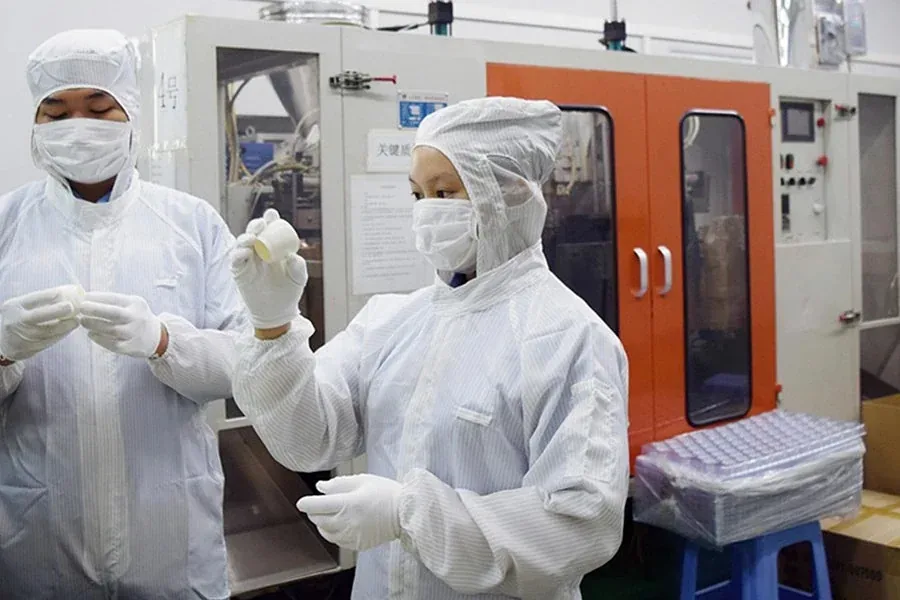
Build a Gracepack Remote Qualification File Around the Actual Package
Gracepack's public site identifies the operating manufacturer as CIXI YANG EN PLASTIC INDUSTRY CO., LTD. A remote qualification file can connect that company and site identity with the selected bottle, closure, drawing, sample, material route, inspection plan and export documents instead of relying on a generic presentation.
Current factory materials document 15 injection molding machines, 13 blow molding machines, nine automatic production lines and more than 500 mold resources. These figures help define what should be demonstrated, but the buyer should still verify the machine and mold route relevant to the proposed order. A broad resource count is not a substitute for product-specific capacity evidence.
Available qualification support includes ISO 22000 documentation, food-contact reports for selected PET, PP, PE, HDPE, LDPE and silicone routes, enterprise standards for food-grade plastic bottles and caps, approved drawings, physical samples, packing references and inspection records. The final file is matched to the actual bottle, cap, liner or valve, sauce condition and destination market.
FAQ About Remote Chinese Plastic Bottle Factory Verification
Can a live video call prove that a supplier owns the factory?
No. It can show access to a site and demonstrate parts of the process. Ownership and operating responsibility must be reconciled through legal records, contracts and site-specific evidence.
Does a manufacturing scope on the business license prove production capability?
No. It supports the identity review, but the buyer should also verify the relevant machines, tooling, people, records and product route.
Should a supplier reveal customer names or confidential molds on video?
No. Agree on redaction and alternative asset references. The buyer needs evidence of capability and control without exposing another customer's confidential information.
Can remote random sampling replace AQL inspection?
No. An unscripted selection is useful for confirming operational access, but lot acceptance requires a defined sampling plan, defect classification and documented inspection result.
When should payment be paused?
Pause when the beneficiary or contracting entity changes without independently verified documentation, when the manufacturing site cannot be reconciled, or when critical evidence remains unresolved under the buyer's approval procedure.
What should be sent before a Gracepack remote evidence review?
Send the target bottle or drawing, capacity, material, neck finish, closure, food product, filling temperature, destination market, expected quantity and the legal, technical or quality risks that must be verified.
Request a Product-Specific Remote Evidence Review
Send the bottle drawing or reference sample, closure configuration, material, filling conditions, destination market, planned quantity and your supplier-approval checklist. Gracepack can organize the available company, factory, product, document and sample references around the exact package under review.
Define the decision you need to make: preliminary supplier screening, technical capability confirmation, sample release, first-order approval or pre-shipment inspection planning. That keeps the remote session focused and makes every unresolved item visible before tooling, deposit or production release.


