Gracepack Packaging Knowledge Center

Quality & Compliance

Focused guidance for international packaging teams evaluating sauce, condiment and food-grade packaging routes.

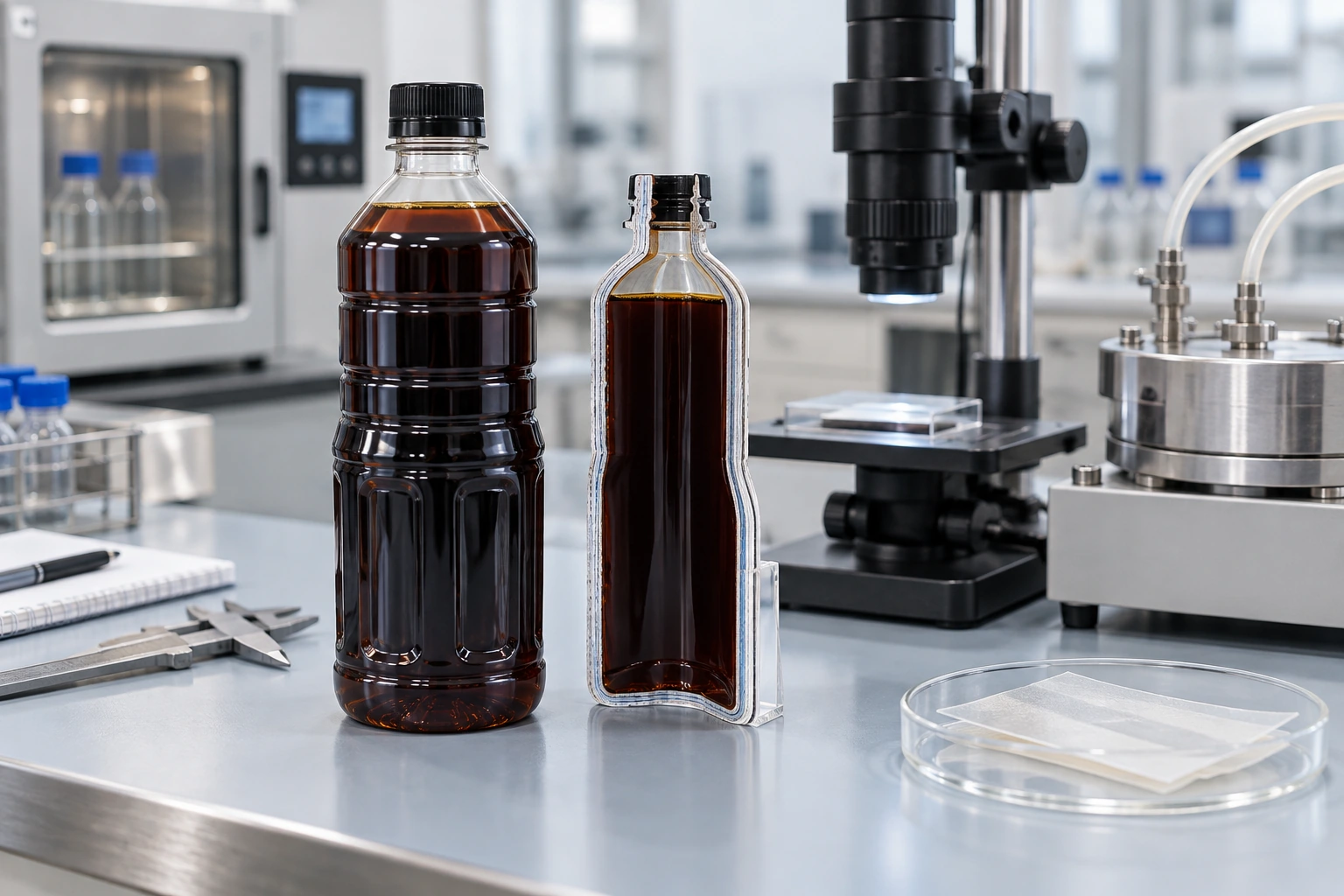
Condiment squeeze bottles undergoing anti-leak pressure and inverted storage testing with valve caps and liner samples
Manufacturing & QC

How to Prevent Leaks in Condiment Squeeze Bottles

Leaks in Condiment Squeeze Bottles usually come from a package-system mismatch: cap thread, valve slit, liner, neck finish, wall thickness, filling temperature, sauce pressure and carton handling all have to work together.

Read Article
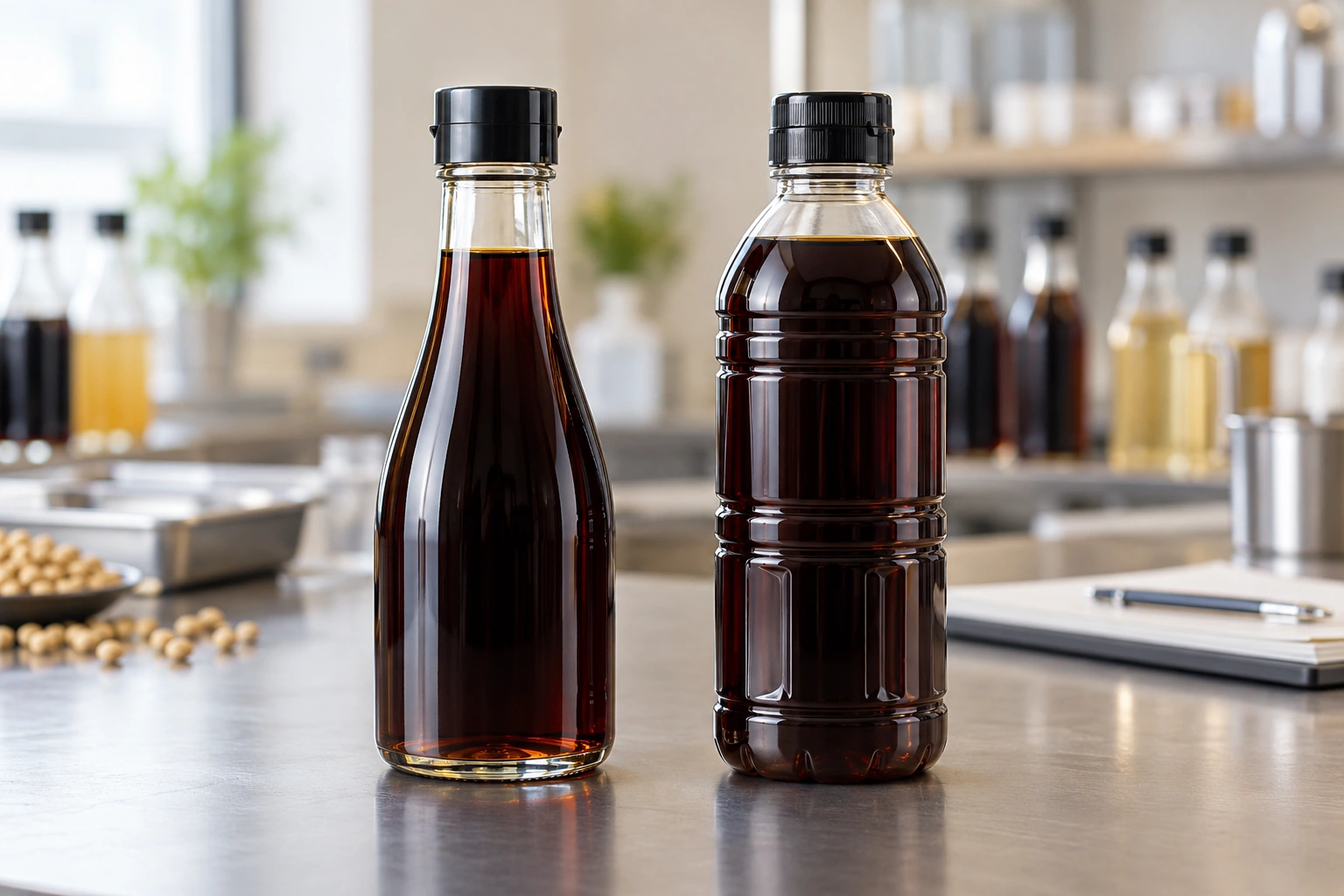
PCR PET and HDPE condiment squeeze bottles with recycled resin pellets and cap samples for sustainable packaging review
Sustainable Packaging

Incorporating PCR Plastics into Condiment Squeeze Bottles

PCR plastics can reduce virgin resin demand and support recycled-content commitments, but condiment squeeze bottles need more than a recycled-content claim. The structure must still pass food-contact review, squeeze recovery, cap fit, odor, color and filling-line checks.

Read Article
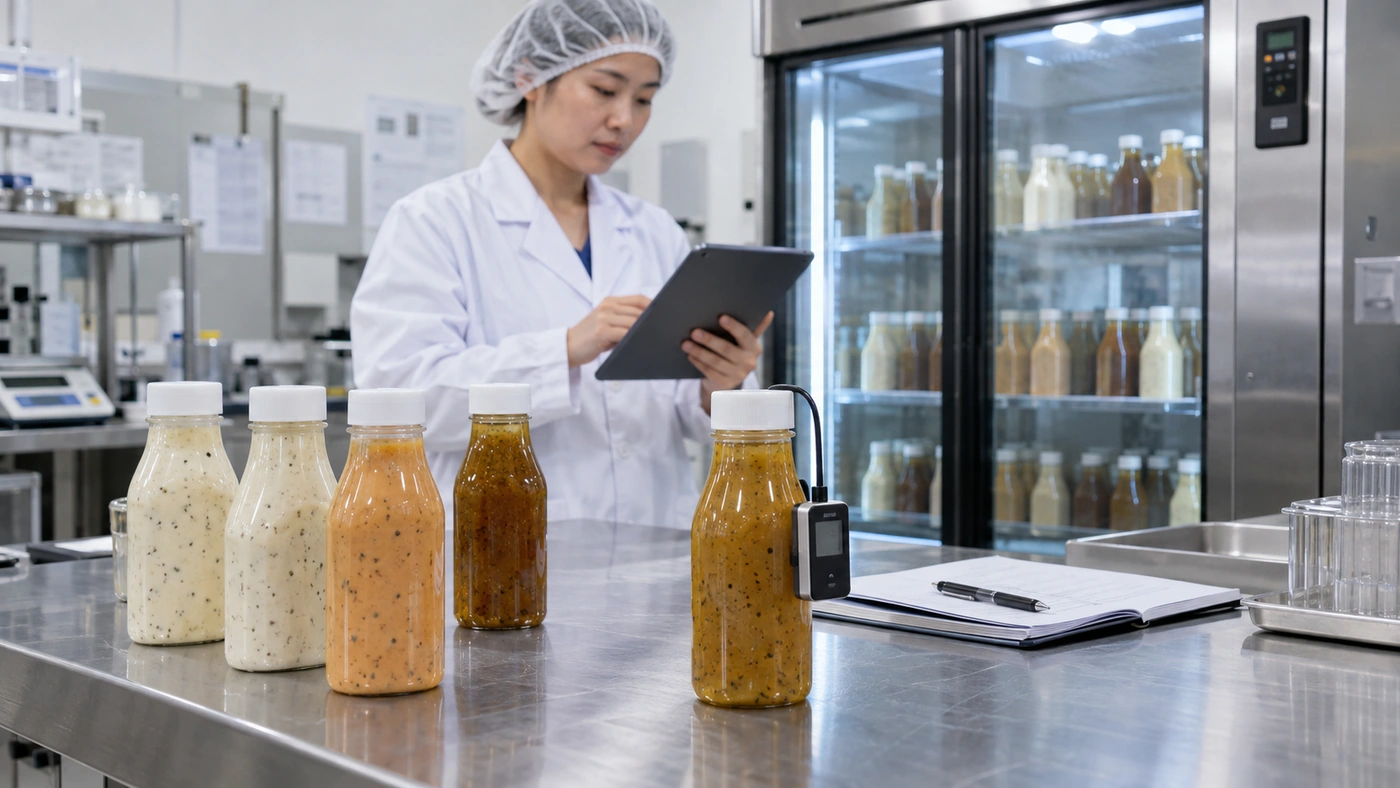
Color-coded condiment squeeze bottles organized on a commercial kitchen prep counter
Packaging Buying Guides

Color-Coded Condiment Squeeze Bottles for Kitchen Efficiency and Allergen Control

Color-coded condiment squeeze bottles help commercial kitchens identify sauces instantly, separate allergen-sensitive products, reduce station confusion and standardize dispensing. For restaurant groups, distributors and sauce brands, the best system combines visible color, suitable bottle material, cap or nozzle performance, cleaning discipline and factory-controlled color consistency.

Read Article
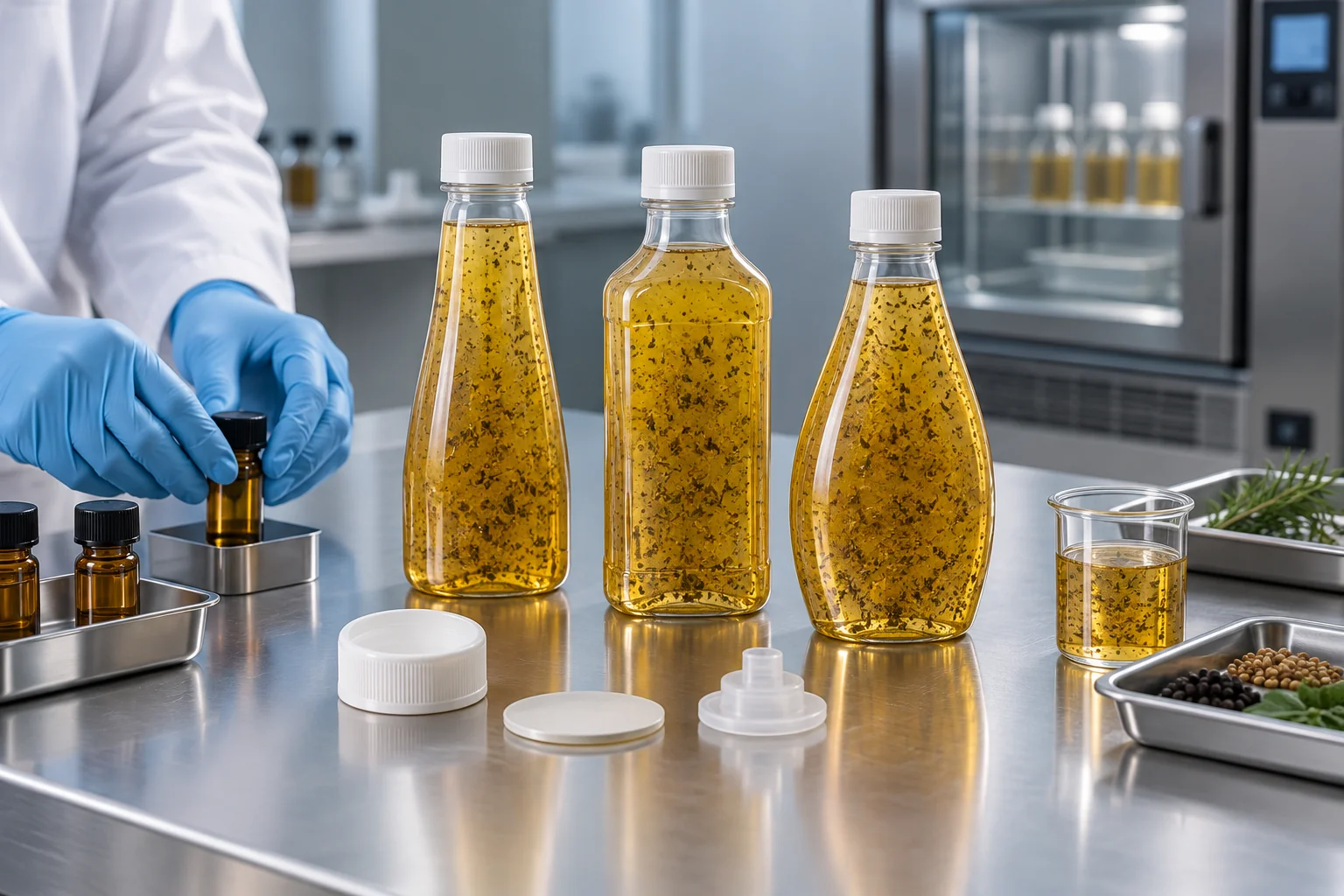
Inverted squeeze bottles for condiments on a retail shelf background
Packaging Buying Guides

Inverted Squeeze Bottles for Condiments: Why Sauce Brands Are Switching

Inverted squeeze bottles for condiments keep sauce at the dispensing valve, so consumers can squeeze instantly without shaking, banging the bottle or storing it upside down. For sauce brands, the switch is not only about convenience; it also affects valve selection, bottle softness, leakage control, shelf impact, residual product, filling compatibility and food-contact documentation.

Read Article
PET PP PS and HDPE plastic spice bottles material guide for wholesale seasoning packaging
Packaging Buying Guides

Plastic Spice Bottles Wholesale: When to Use PET, PP, PS or HDPE

When sourcing wholesale plastic spice bottles, choose PET for clear retail shelf visibility, PP for heat resistance and repeated flip-top use, HDPE for opaque heavy-duty moisture protection, and avoid PS for most spice programs because it is brittle and less resistant to oils and impact.

Read Article